How Wall Street Plans to Turn Your 401(k) Into Their Personal ATM
Shah Gilani|August 15, 2025

Want to understand why Wall Street is salivating over President Trump’s new executive order opening 401(k)s to alternative assets?
Start with one of high finance’s biggest inside-baseball games – the cozy, co-dependent marriage between private equity and private credit.
Private credit funds aren’t altruistic diversification tools. They’re often private loan desks for PE sponsors, lending to their own portfolio companies or each other’s holdings.
These loans don’t just “help growth.” They’re oxygen tanks keeping overleveraged businesses breathing long enough for PE managers to collect fees while pretending everything’s fine.
Why PE Desperately Needs Private Credit Now
For years, private equity’s secret sauce wasn’t just buying low and selling high – it was recycling. Sponsor A sells a company to Sponsor B. Sponsor B sells one back to Sponsor A. Both mark up their internal returns, pay themselves performance fees, and tell investors: “Look how great we’re doing!”
Public markets, awash with cheap capital, would mop up the rest through IPOs. That game worked when rates hovered near zero and credit flowed like water.
Now? IPOs are tough sells – public investors won’t line up for debt-drowning companies. Sponsor-to-sponsor sales have slowed because nobody wants to swap damaged goods anymore. Debt loads are crushing thanks to leveraged buyouts and rising rates.
Enter continuation vehicles – the hot new workaround. These “new” funds buy portfolio companies from old funds, letting the original fund return some capital to investors wanting out while spinning the same company into fresh packaging for new money.
But institutional investors are catching on. They’re asking: “Are you just recycling assets because you can’t find real exits?” The skepticism is growing.
Private Credit Rides to the Rescue
When portfolio companies can’t secure cheap bank loans or raise public debt at reasonable rates, private credit swoops in with custom, high-yield loans.
PE sponsors love this arrangement:
- Keep companies alive long enough to “work on the turnaround story”
- Avoid fire-sale exits
- Continue collecting management fees
Private credit managers win too:
- Extract higher yields than public credit
- Design their own collateral structures
- Rely on PE sponsors who desperately need borrowers to survive
But let’s be clear – this isn’t about unleashing growth. It’s about propping up valuations and papering over cracks in the PE model until exit windows reopen.
Trump’s Executive Order: Perfect Timing for Wall Street
Trump’s August 7 executive order – directing the Department of Labor and Securities and Exchange Commission to strip away legal hurdles for putting alternatives into 401(k)s – arrives at the perfect moment for private asset managers.
The 2020 Trump directive allowed only a sliver of private equity (roughly 15% max in diversified funds) and only inside vehicles like target-date funds. No crypto, no commodities, no direct allocations.
The 2025 executive order blows the doors off. The eligible alternatives menu now includes PE, private credit, real estate, commodities and digital assets. No explicit allocation caps. The order even hints at “safe harbors” – shielding fiduciaries from lawsuits when alternatives implode.
If you run a private credit shop, that’s like being told the bank vault is open and the guards went home.
The London Warning Shot
A new study of 13 London-listed private equity funds shows what happens when you strip away valuation fog and see PE’s real-time performance…
- 70% more volatile than global stocks.
- Sharpe ratios less than half the market’s – meaning terrible risk-adjusted returns.
- 5% annualized returns since 2008, trailing the S&P 500 by more than five percentage points.
- Trading at 10% to 30% discounts to stated net asset value.
That’s real-time pricing – not the smoothed quarterly marks PE managers feed investors. It’s ugly.
“Alternatives for Retirees”: A Familiar Con
The 401(k) pitch will wrap itself in fairness rhetoric: “Why should only the rich access the best investments?”
Here’s reality: The “best investments” wealthy people access aren’t what retirees will get.
Wealthy investors get into top-tier funds, often closed to new capital. Retirees will get feeder funds, continuation vehicles and private credit structures designed to solve PE’s liquidity problems – not maximize retirement returns.
Liquidity? Forget it. Once retirement money goes in, it’s trapped.
Without real safeguards, transparency rules and legal recourse, Trump’s executive order isn’t democratizing opportunity – it’s democratizing risk. It hands private asset managers a $12.5 trillion retirement savings buffet to patch holes in their business model.
The “alternatives for everyone” pitch is just shiny bait. The hook underneath targets America’s retirement nest eggs.
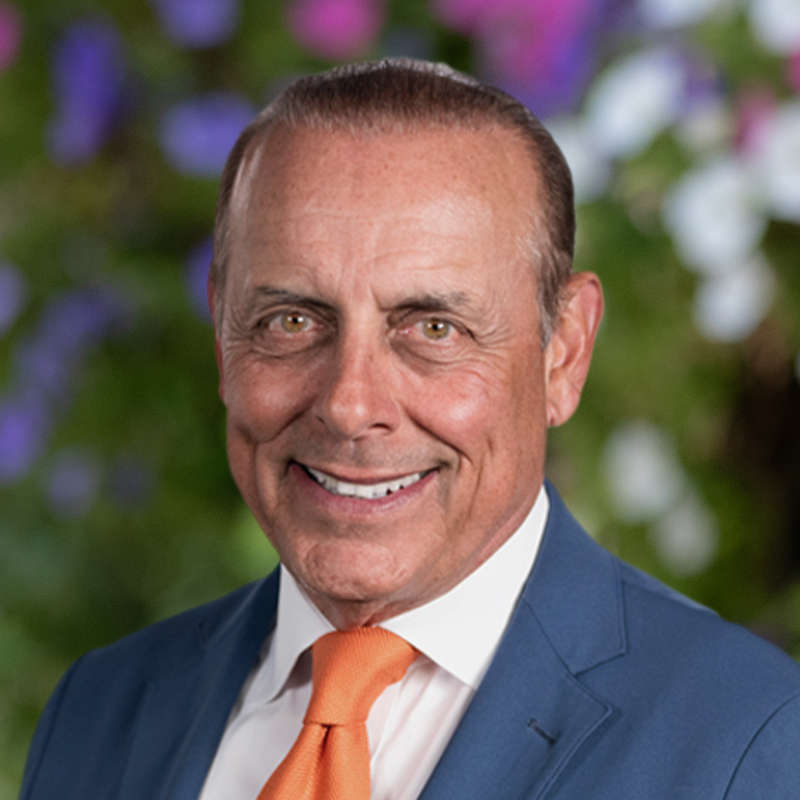
Shah Gilani
Shah Gilani is the Chief Investment Strategist of Manward Press. Shah is a sought-after market commentator… a former hedge fund manager… and a veteran of the Chicago Board of Options Exchange. He ran the futures and options division at the largest retail bank in Britain… and called the implosion of U.S. financial markets (AND the mega bull run that followed). Now at the helm of Manward, Shah is focused tightly on one goal: To do his part to make subscribers wealthier, happier and more free.