When Your “Safe” ETF Strategy Becomes a Liability
Shah Gilani|September 12, 2025

Last week, I explained how the hidden machinery behind ETFs – those Authorized Participants and their arbitrage operations – can turn your diversified investment into a financial disaster when markets crash.
The response was immediate. Our mailbox filled with questions from readers who suddenly realized their “set it and forget it” ETF strategies might not be as bulletproof as they’d assumed.
Two questions stood out, and they deserve detailed answers because they get to the heart of what makes modern markets so dangerous.
The Momentum Trap
From Subscriber Steve G…
Does your explanation of the risks of ETFs imply momentum ETFs are the riskiest of all ETFs?
Momentum ETFs aren’t automatically the riskiest, but they embody the sharpest edge of what I warned about last week.
Here’s why…
Momentum strategies pile into what’s already working, amplifying trends and crowding trades. When everything’s rising, that’s a powerful tailwind. But when markets turn, those same ETFs become accelerants on the way down.
The “passive bid” that usually supports prices flips into forced selling. It’s not just the ETFs labeled as “momentum” either. Think about all those funds stuffed with the big-cap tech names everyone knows – Apple, Microsoft, Nvidia. In essence, they’re momentum-centric too.
Consider what happened during the March 2020 COVID crash…
The iShares Russell 1000 Growth ETF, loaded with those same momentum darlings, didn’t just fall with the market. It amplified every move. When panicked investors dumped shares, the Authorized Participants had to unload the underlying stocks – often while simultaneously shorting them to hedge their own risk.
That created a vicious feedback loop. Selling led to more selling. The very mechanism designed to keep ETF prices aligned with their holdings became a transmission belt for panic.
So yes, momentum ETFs are particularly vulnerable to that negative spiral I described. But the risk isn’t confined to one style – it’s systemic across the entire ETF ecosystem.
The Not So “Sleazy” Truth About APs
From Subscriber Kevin B…
How did these Authorized Participants come into existence? And why are they allowed to exist? Their entire operations appear sleazy to me.
The setup can feel sleazy… but once you understand how it works, you’ll see it’s just business.
APs didn’t appear by accident. They were baked into the ETF structure from the beginning, back in the 1990s when State Street launched the first S&P 500 ETF. ETF sponsors – companies like BlackRock and Vanguard – don’t generally have trading desks. They have to farm out the creation and redemption work to the big banks and broker-dealers who possess the capital, trading infrastructure, and clearing capacity to make the system function.
Why are they allowed to exist? Because without them, the ETF machinery doesn’t work at all. They’re the designated market makers of the ETF world, profiting from spreads and arbitrage opportunities.
Regulators tolerate this structure because most of the time, it keeps ETFs liquid and tracking their underlying indexes. The system appears to work smoothly – until it doesn’t.
Here’s the truth about what feels “sleazy.” These APs aren’t providing a public service. They’re running profit-and-loss operations with their own capital and risk management priorities. When markets get volatile, they don’t just facilitate trades. They can actively trade against the very ETFs investors suppose they’re there to support.
During the Flash Crash of May 6, 2010, we got our first real look at what happens when this system breaks down. High-frequency traders and APs simply walked away from the market when things got hairy. Why? Because they had inordinate amounts of their own capital at risk. More than 70% of ETFs briefly traded at massive discounts to their actual value because the people responsible for keeping prices aligned had bigger priorities – like not losing money.
The March 2020 crash showed us the same dynamic on steroids. When corporate bond ETFs like HYG and LQD started hemorrhaging money, APs backed away rather than step in. Why risk getting stuck with illiquid bonds in a crashing market when you could just let the ETFs trade at steep discounts?
It took Federal Reserve intervention to restore normal functioning. The central bank literally had to promise to buy corporate bonds and bond ETFs to get the APs back in the game.
Think about that for a moment. The “market makers” who keep your ETFs functioning properly can and have abandoned their posts the moment it becomes inconvenient. And when they do, your liquid, diversified investment can become an illiquid trap.
The Uncomfortable Reality
This brings us to an uncomfortable truth about modern markets: Much of what we consider “normal” market behavior is actually the result of this hidden infrastructure working smoothly.
That reliable “passive bid” from ETF buying? It depends entirely on APs being willing and able to do their job, which is infinitely easier in upward trending markets. The moment they step back – which they will when their own survival is at stake – that supportive bid evaporates.
Suddenly, “buying the dip” stops working because the dip becomes a cliff. Your diversified ETF can become a vehicle for amplifying losses rather than cushioning them.
The real kicker? You won’t see this breakdown coming. It happens precisely when you need the system to work most – during periods of maximum stress when everyone’s trying to get out at once.
What This Means for Your Portfolio
Does this mean you should dump all your ETFs? No, of course not. But you need to understand what you really own.
ETFs aren’t just convenient ways to buy market exposure. They’re complex financial instruments whose behavior depends on a network of profit-driven intermediaries. When that network functions normally, ETFs work beautifully. When it doesn’t, they can become transmission belts for financial contagion.
The next time someone tells you ETFs are “passive” investments, remember that there’s nothing passive about the machinery that makes them work. And that machinery can turn against you faster than you might imagine.
Your “safe” diversification strategy is only as robust as the system supporting it. Right now, that system is more fragile than most investors realize.
Keep the questions coming. And keep your eyes open.
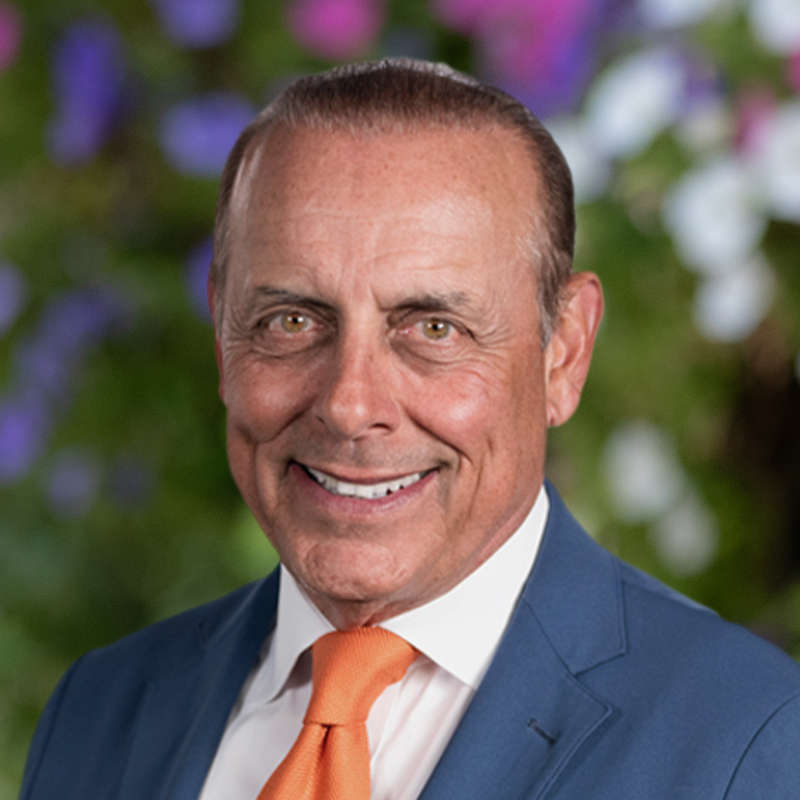
Shah Gilani
Shah Gilani is the Chief Investment Strategist of Manward Press. Shah is a sought-after market commentator… a former hedge fund manager… and a veteran of the Chicago Board of Options Exchange. He ran the futures and options division at the largest retail bank in Britain… and called the implosion of U.S. financial markets (AND the mega bull run that followed). Now at the helm of Manward, Shah is focused tightly on one goal: To do his part to make subscribers wealthier, happier and more free.