Why “Irrational Exuberance” in This Market Isn’t Irrational at All
Shah Gilani|September 19, 2025
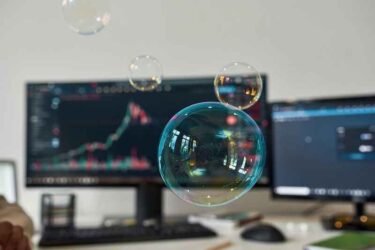
Everywhere I turn, pundits parrot the same tired phrase: irrational exuberance. They claim valuations are too high, stocks are stretched, and this rally is a bubble waiting to burst.
They’re wrong.
Sure, the market may appear frothy, but this isn’t 2000. The bubble fears rest on the premise that we’re witnessing an AI bubble destined to burst like the dot-com crash. That premise itself is irrational.
Greenspan Was Wrong Then – and the Bears Are Wrong Now
Let’s rewind to December 1996, when then-Fed Chair Alan Greenspan coined “irrational exuberance” to describe skyrocketing stock valuations. He was warning about an internet bubble.
What happened next? The market rallied for three more years. The Nasdaq more than doubled after Greenspan’s speech. The party didn’t stop until 2000, when investors finally recognized that most dot-coms were built on fantasy – eyeballs, clicks, and dreams rather than revenues and profits.
That’s the critical difference. The late-1990s bubble was fueled by internet story stocks. Today’s rally is driven by companies with trillion-dollar market caps, proven revenue streams, fortress balance sheets, and profit margins that are the envy of history. They’re generating mountains of cash, reinvesting in R&D (particularly AI), and executing multibillion-dollar share buyback programs.
Apple isn’t Pets.com. Microsoft isn’t eToys. NVIDIA isn’t Webvan. These are real businesses with real cash flows, generating billions in profits while continuing to grow.
The Earnings Engine Runs Hot
Markets don’t rise on hope alone – they rise on earnings, revenues, margins, and profits. Right now, all of those metrics are exceeding expectations.
FactSet research shows that in the first quarter of 2025, the S&P 500 delivered blended year-over-year earnings growth of 13.4%. That’s not hype – that’s double-digit growth. Nearly 78% of companies beat earnings estimates, while 62% topped revenue forecasts. Revenues grew nearly 5%, with net margins above 12% and climbing.
The second quarter delivered more of the same. Earnings rose 5.6% on a blended basis, with big-cap tech earnings up an average of 25%. Revenues (blended) increased 4.4%. Not blow-out results across the board, but solid performance.
More importantly, the companies that matter most – the big-cap tech giants driving benchmark indexes – aren’t just beating estimates. They’re crushing them.
Big Tech Powers the Market
The so-called “Magnificent Seven” stocks – Apple, Microsoft, NVIDIA, and Alphabet among them – are posting earnings growth exceeding 25%. Consider that achievement. In an elevated interest-rate environment, with higher capital costs and soaring capital expenditures on AI infrastructure, these companies continue minting money hand over fist.
Don’t let anyone tell you their AI spending is problematic. That investment isn’t dead weight – it’s fuel. Every dollar they pour into chips, cloud infrastructure, and enterprise AI represents an investment in future productivity, revenues, and profits. This isn’t 1999’s “eyeballs and clicks.” This is hundreds of billions in real money feeding into business models that already work, already dominate, and already generate returns.
That’s why the S&P 500 and Nasdaq keep pushing higher. They’re powered by companies with balance sheets larger than nations and profit engines the rest of the world envies.
Rate Cuts Add Fuel to the Fire
The Federal Reserve provides another tailwind. Lower rates boost valuations – discounted cash flows become more valuable, borrowing becomes cheaper, and liquidity flows into risk assets. Stocks love rate cuts. They always have.
Yes, Trump has been leaning on the Fed, attacking Chairman Powell and jawboning governors.
Yes, he pushed Stephen Miran onto the Fed’s Board just in time to have a say on the latest rate cut decision.
And yes, that raises questions about independence.
But markets care about policy, not politics. Policy is turning looser, not tighter, creating more tailwind for equities.
I’m not blind to risks. If inflation persists while growth slows, we could face stagflation – the 1970s nightmare of higher prices, squeezed margins, weaker profits, and burned investors.
But that’s not today’s setup. Inflation remains elevated above the Fed’s target but has been easing. Growth may be slowing but isn’t collapsing. These risks could emerge later, but they’re not driving the current rally.
The Bottom Line for Your Bottom Line
This isn’t irrational exuberance – it’s a rational response to strong earnings, revenues, margins, and AI-powered growth potential.
When you hear “bubble,” remember the difference between fantasy and reality. We’re not in 1999. We’re in 2025, and the numbers support this rally.
The market may look expensive and stretched. But as long as the earnings engine runs this hot – and big tech continues proving it can grow profits faster than anyone thought possible – this rally has room to run.
The smart move isn’t fear. It’s participation. Don’t let cries of “irrational exuberance” scare you away from rational opportunity.

Shah Gilani
Shah Gilani is the Chief Investment Strategist of Manward Press. Shah is a sought-after market commentator… a former hedge fund manager… and a veteran of the Chicago Board of Options Exchange. He ran the futures and options division at the largest retail bank in Britain… and called the implosion of U.S. financial markets (AND the mega bull run that followed). Now at the helm of Manward, Shah is focused tightly on one goal: To do his part to make subscribers wealthier, happier and more free.