Diversification Is Dead – ETFs Killed It
Shah Gilani|October 31, 2025

Walk across a patch of ground that looks solid, and you might not notice the danger until you’re knee-deep.
Quicksand doesn’t announce itself. It mimics firm earth – until weight and movement trigger the shift from solid to liquid.
The more you struggle, the faster you sink.
U.S. exchange-traded funds (ETFs) have become structural pillars of our capital markets. But here’s the problem: they look like pillars, yet they stand on quicksand. ETFs rest on fund flows and momentum – and like quicksand, what looks stable can shift beneath your feet.
According to the Investment Company Institute (ICI), U.S. ETFs held net assets of $10.3 trillion at year-end 2024.
That growth and scale have been the engine driving markets higher. But the engine could backfire.
The Passive-Active Shift
Most traders and investors think of ETFs as passive investing tools. All you have to do is throw your money in an index fund and you can invest in the broader market… or zoom in on a sector or two.
But the passive ETF landscape has been shifting, and that matters.
According to Bloomberg data, actively managed ETFs in the U.S. now outnumber passive ETFs, 51% to 49%. Although active funds outnumber passive funds, the vast majority – about 89% of assets under management (AUM) – falls into the passive realm.
Still, that leaves $1.3 trillion chasing higher returns in actively managed ETFs.
“Actively managed” doesn’t just mean managers trading and rebalancing portfolios. The category includes everything that’s not passive. The fastest-growing actively managed ETFs are single-stock leveraged ETFs, inverse leveraged single-stock ETFs, all manner of options-strategy ETFs, derivatives-based ETFs – anything a sponsor can bring to market that amplifies potential returns.
Many active ETFs add leverage to momentum moves.
The Creation Mechanism
When retail and institutional investors buy more ETF shares than the market can supply, ETF sponsors’ authorized participants (APs) must create new shares. APs must then buy underlying baskets of stocks (or bonds, options strategies, derivatives, or whatever assets the ETFs track or hold).
Creation means buying all the underlying securities. The ICI reports that net issuance of ETF shares (including reinvested dividends) surged to a record $1.1 trillion in 2024 from $597 billion in 2023. This year has seen another trillion dollars of net issuance. That flow lifts demand for the underlying equities substantially.
Since many of those underlying baskets overweight large-cap tech stocks – the largest stocks in benchmark indexes – the effect amplifies momentum.
The Self-Reinforcing Loop
Investors keep buying ETFs. ETFs keep buying underlying stocks. That means buying even more of the largest-cap tech stocks because of their capitalization weighting. These stocks keep outperforming because so much money flows into them.
It’s a self-reinforcing momentum machine.
Because indexing tends to overweight larger companies, and because increasingly active ETFs hold large chunks of the same high-profile stocks, the result is higher concentration.
Instead of broadening the market, the ETF wave narrows breadth.
Why It Matters
Everyone who thinks they’re diversified or indexed to a broad barometer of “the market” will care when they realize how leveraged they are to the same stocks. When those stocks fall, diversification will prove illusory. The mechanical process that lifted these names on the way up will accelerate the decline on the way down. Redemptions force APs to sell underlying stocks, and concentration means those sales hammer the same large-cap names everyone owns.
The explosion of ETF inflows has lifted markets higher through mechanical creation, underlying buying, and concentration in the largest names. That lift has been real. But the same mechanism amplifies downside risk and narrows market breadth.
Watch for the Warning Signs
Watch net outflows from ETFs, especially sharp reversals in large-cap growth names. Those are the canaries in the coal mine signaling that the ETF-driven market structure is starting to crumble.
The ground beneath the market looks solid. But quicksand only reveals itself when the pressure shifts.
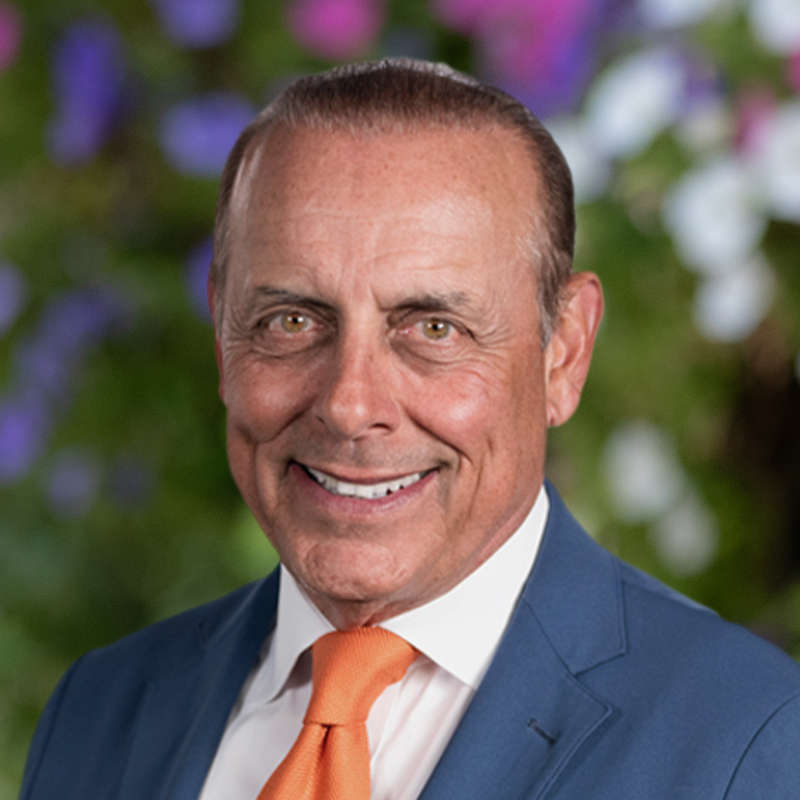
Shah Gilani
Shah Gilani is the Chief Investment Strategist of Manward Press. Shah is a sought-after market commentator… a former hedge fund manager… and a veteran of the Chicago Board of Options Exchange. He ran the futures and options division at the largest retail bank in Britain… and called the implosion of U.S. financial markets (AND the mega bull run that followed). Now at the helm of Manward, Shah is focused tightly on one goal: To do his part to make subscribers wealthier, happier and more free.