This Asset Class Is a Gamble, Not an Investment
Shah Gilani|December 12, 2025

A crowd of crypto diehards packed the New York Stock Exchange this week as Jack Mallers rang the opening bell for Twenty One Capital.
The symbolism felt slippery. Bitcoin had arrived on Wall Street again… Not as a token, not as an ETF or a miner, but as something far stranger: a Digital Asset Treasury company, or DAT.
Not surprisingly, by the closing bell the cheering turned into jeering.
Twenty One Capital’s stock dropped nearly 20% on Day 1 following its SPAC merger with Cantor Equity Partners. Even after a modest bounce, shares sit more than 75% below the post-announcement highs from April.
That stumble wasn’t unique. ProCap Financial, another newly minted Bitcoin treasury vehicle, fell more than 14% on its first trading day. Even Strategy, the blueprint for executing the DAT model and Michael Saylor’s mothership, is down over 35% this year, dramatically underperforming Bitcoin itself, which is roughly flat.
So what are DATs, and why are they suddenly everywhere?
Turning Volatility Into Fuel
At their core, DATs are Bitcoin balance sheets with stock tickers. They don’t produce software, mine coins, or run exchanges. Their business model is simple in theory: raise capital, buy Bitcoin, hold it, and use public markets to turn volatility into fuel.
Years ago, Strategy proved that investors would pay a premium for levered Bitcoin exposure wrapped in a tradable equity ticker. The DAT boom is everyone else trying to repeat that trick.
DATs don’t make money by generating revenue – they’re financial engineering outfits.
When a DAT trades above the value of its crypto holdings, a metric known as mNAV, management can issue stock at a premium and buy more Bitcoin. If Bitcoin per share rises, they wash, rinse, and repeat. They can also add cheap convertible debt, issue preferred shares, or structured equity, and suddenly, like magic, a treasury strategy looks like a growth story.
Until mNAV breaks…
Don’t Ignore This Stress Fracture
That’s the stress fracture running through the entire DAT model. Once a listed DAT’s market cap drops below the value of its underlying tokens, the magic stops. Issuing shares becomes dilutive. Debt becomes an albatross – basically, the strategy eats itself.
That’s already happening.
Bloomberg reports that several DATs have seen mNAV sink below the all-important flatline this year, turning their equity into a discounted wrapper around assets investors could buy directly.
Strategy has tried to stay ahead of that curve with multiple preferred stock offerings and a reported $1.4 billion cash reserve. Hyperliquid Strategies, chaired by former Barclays CEO Bob Diamond, announced a $30 million buyback within days of its December debut to try to stabilize its stock.
Others are still searching for a story.
Mallers says Twenty One plans to lend cash and explore Bitcoin-backed credit products. That may generate income. It may also turn a treasury vehicle into a shadow bank tied to one of the most volatile assets on Earth.
Looming behind all of this is an uncomfortable truth. DATs aren’t businesses…
They’re bets.
A Symptom of Something Larger
They are leveraged wagers on a manufactured asset class narrative – one that works only when capital is cheap, liquidity is abundant, risk appetites are high, and the underlying bet on Bitcoin is working. When those conditions change, DATs don’t gently deflate. They burst.
That’s why this trend matters beyond crypto…
DATs are a symptom of something larger and uglier: the transformation of modern capital markets into a casino where balance sheets are chips, volatility is an edge, and storytelling substitutes for cash flow.
When companies stop pretending to run businesses and start monetizing price movements instead, they are no longer good investments. They’re gambles.
And Wall Street, as always, is happy to deal the cards.
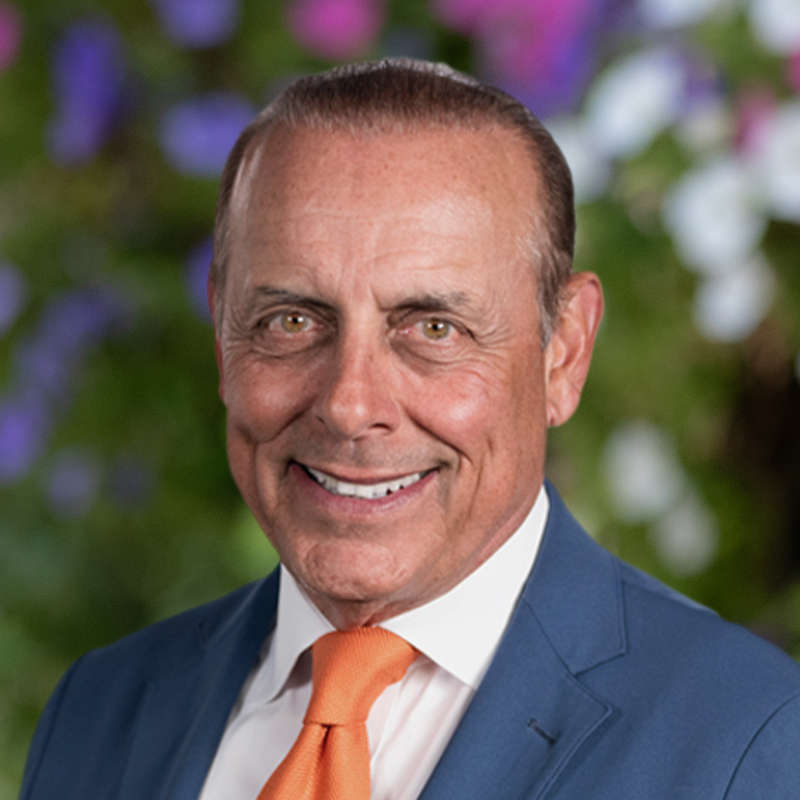
Shah Gilani
Shah Gilani is the Chief Investment Strategist of Manward Press. Shah is a sought-after market commentator… a former hedge fund manager… and a veteran of the Chicago Board of Options Exchange. He ran the futures and options division at the largest retail bank in Britain… and called the implosion of U.S. financial markets (AND the mega bull run that followed). Now at the helm of Manward, Shah is focused tightly on one goal: To do his part to make subscribers wealthier, happier and more free.